
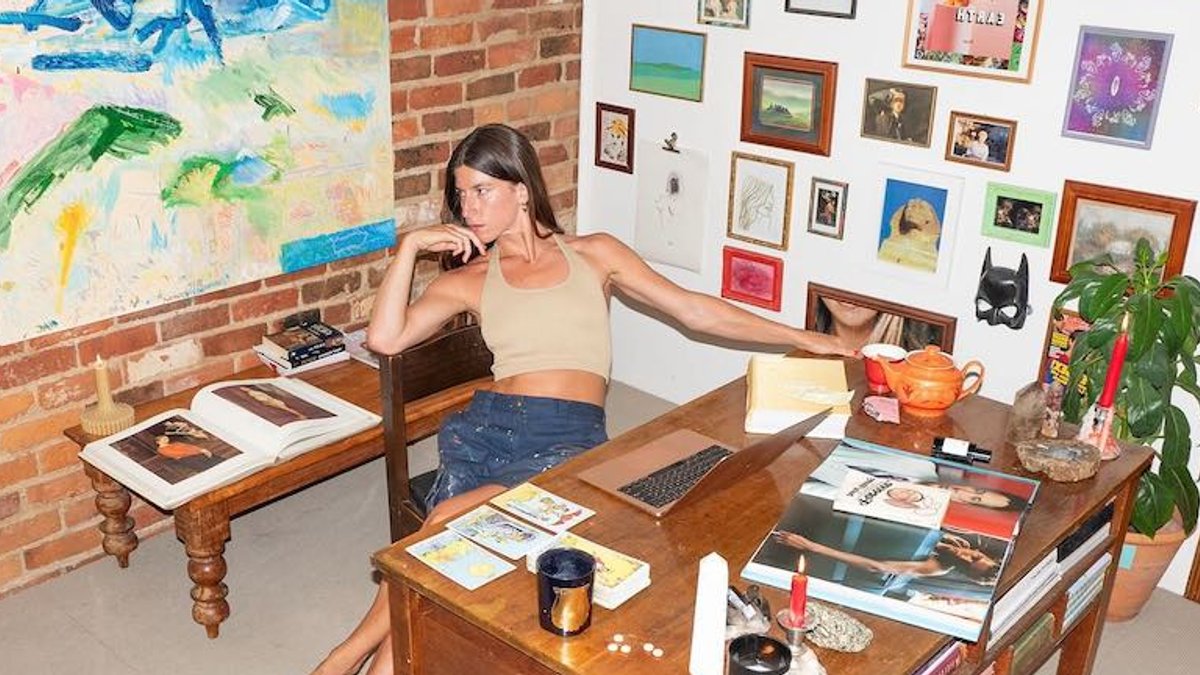
For Australian authors, reading widely is often considered an essential practice. It provides a steady stream of inspiration and helps shape the craft of storytelling. One writer noted that a book can feel like a “sacramental act,” offering new ways to construct sentences and narratives.
Stories that shaped a career
Seven local authors discussed the specific books that have influenced their lives and work. The selection ranged from contemporary fiction to experimental poetry, showing the diverse ways literature impacts creativity.
Less Is More: Ruthless Editing
Jess Ho, author of “People With Money” and “Raised by Wolves,” pointed to Chuck Palahniuk’s “Fight Club” as a transformative text. Ho discovered the book in high school, during a period dominated by the “Harry Potter phase.” The themes of isolation, consumerism, and toxic masculinity stood out immediately.
Ho described the minimalist writing style as particularly influential. During creative writing studies, the author felt exposed to excessive commentary. “I had to endure a lot of workshops and some people just needed to learn when to stop,” Ho said. The lesson was clear: focus on doing the most with the least. “I’ve become ruthless with my drafts. I am the first to kill my darlings.”
Lucianne Tonti, author of “Good Witch” and “Sundressed,” found solace in Helen Macdonald’s “H is for Hawk.” Tonti read the book in the year after their father passed away, a time marked by loneliness and a lack of support. Macdonald’s exploration of grief and her relationship with a goshawk resonated deeply.
Read Also: Lilli Van shares her eclectic fashion style
One passage in the text described the physical sensation of loss. “For the first time I understood the shape of my grief. I could feel exactly how big it was. It was the strangest feeling, like holding something the size of a mountain in my arms,” Macdonald wrote. Tonti underlined these lines, finding that the experience of reading the book made them feel less alone.
Decades later, Tonti reflects on the structure of Macdonald’s narrative. The author interweaves her love of the wild creature with the main story, telling two tales simultaneously. This approach aligns with Tonti’s own writing style, where the love of the natural world often becomes a plotline.
Finding a New Voice
Zarah Butcher-McGunnigle, author of “Autobiography of a Marguerite” and “Leaves Fall Off to Create Drama,” credits Lyn Hejinian’s “My Life” with changing their perspective. The text is an experimental poetic autobiography from 1980. Butcher-McGunnigle encountered it at a university poetry reading, around age 19 or 20.
At the time, the writer was feeling stuck, influenced by the confessional style of Sylvia Plath and Louise Glück. “My Life” introduced a different way of thinking about poetry. The book consists of 37 prose poetry paragraphs with 37 lines each, reflecting the author’s age. The structure is disjunctive, with sentences lacking clear transitions.
Victoria Hannan, author of “I Love the Whole World!” and “Marshmallow,” mentioned Dave Eggers’ 2001 memoir, “A Heartbreaking Work of Staggering Genius.” Hannan read it while trying to figure out their writing voice. The book demonstrated that literary writing can combine intelligence and feeling, experimentation and sincerity.
Read Also: Australian brands leading upcycled fashion revolution
Hannan recalled the realization that there is no single right way to write. The most powerful tool a writer possesses is their own voice. This understanding shifted both what Hannan wanted to write and their belief in the potential of a book.
Stories That Resonate
Joshua Anthony Hortinela, author of “Hate You to Love You,” selected Dolly Alderton’s “Everything I Know About Love.” Hortinela described it as a book to be returned to repeatedly. The text serves as a collection of anecdotes and advice, characterized by warmth and vulnerability.
The stories cover various chapters of life, from share houses and jobs in early adulthood to loss and dating. Hortinela finds new resonances in the book with every reading, suggesting it will remain a touchstone for years to come.
The impact of reading on storytelling
The writers interviewed shared a common belief that reading functions as a fundamental practice for any aspiring author. A single text can offer a “sacramental act,” providing new methods for constructing sentences and narratives. This immersion allows writers to find resonance in stories that articulate experiences they might struggle to describe themselves.