
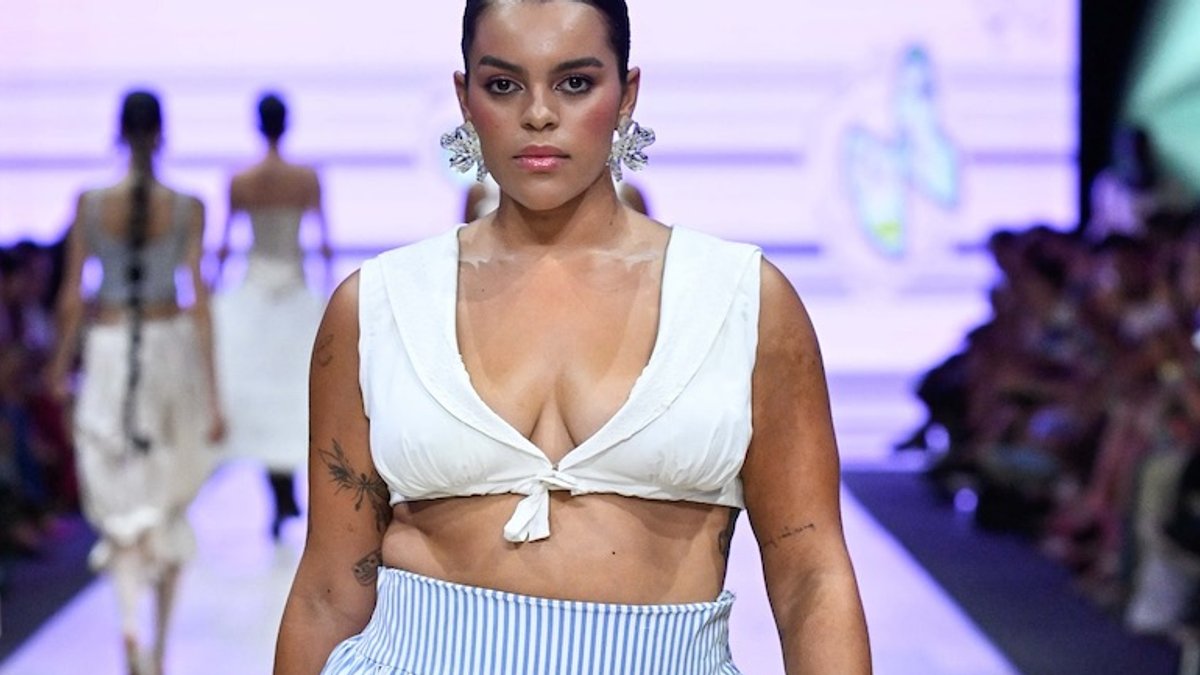
Australians purchase more clothing per person than any other nation—an average of 56 items annually—while generating 6,000 kilograms of textile waste every 10 minutes. The environmental toll of fast fashion is undeniable, yet a rising group of local designers is transforming discarded materials into high-end, sustainable fashion. These brands demonstrate that upcycled clothing need not compromise on aesthetics, with some pieces already featured in celebrity wardrobes and stocked in Melbourne’s top boutiques.
Melbourne’s upcycling leaders
Hydra Opia, created by designer Olympia Cristou, crafts exclusive garments from vintage belts, old T-shirts, and deadstock fabrics. The label’s designs have attracted notable clients, including Tyla and Bar Italia’s Nina Cristante, who have been photographed in Cristou’s reworked collections. Every piece is handmade, ensuring no two items share the same form.
Uma Barnes adopts a similarly imaginative method, converting men’s shirts, kimonos, and even mattress covers into lively, wearable art. Her creations—such as reimagined corsets and wrap skirts, merge practicality with striking visuals. Barnes’ work embodies a broader movement in Melbourne’s fashion industry toward deliberate, slow production.
Erica Bowe’s signature patchwork pants, assembled entirely from upcycled T-shirts, showcase how waste textiles can become stylish, adaptable clothing. Unlike mass-produced fast fashion, Bowe’s designs are custom-fitted to clients, eliminating excess while delivering a precise match.
Unconventional materials in high fashion
Some brands extend upcycling beyond fabric scraps. Sabatucci, which gained recognition at Melbourne Fashion Week for dressing Julia Fox at the NGV, frequently incorporates bedding and vintage textiles into its collections. The label’s made-to-order pieces, such as dresses sourced from deadstock materials, prove sustainability can align with luxury aspirations.
Amy Cotrell’s designs push boundaries further. She recently crafted a cocktail dress from a broken car windshield and leftover lace, illustrating how unconventional sources can produce bold results. Cotrell integrates bioplastics and limited-run techniques to ensure each creation is distinct and environmentally responsible.
While Cotrell’s work leans toward artistic statements, other labels prioritize everyday essentials. Not Sew New, for instance, transforms surplus textiles into cut-out shirts, tech sleeves, and bags, items that integrate effortlessly into contemporary wardrobes. The brand’s adaptability makes sustainable fashion practical without sacrificing style.
Related Post: Fashion Revolution UAE Celebrates Decade of Sustainable Fashion
Innovation beyond clothing
Melbourne’s upcycled fashion movement encompasses more than apparel. A.BCH, which documents every material’s origin, from threads to buttons, sources its fabrics exclusively from renewable, organic, or recycled origins. The brand’s blog provides supply-chain transparency, catering to consumers who value ethical production.
Chilali adopts an equally experimental approach, utilizing recycled plastics, hemp, and cactus leather in its accessories and garments. Its gender-neutral designs, including tailored briefcases and structured bags, defy traditional fashion categories while maintaining sustainability as a core principle.
For vintage enthusiasts, Emiroux by Aimee le Roux specializes in deadstock and secondhand fabrics. The label’s Reworked Button Up shirts and plaid bags emphasize durability, positioning them as reliable choices for daily use.
Gliese 504, recognized for its hand-dyed scrunchies made from deadstock silk organza, also offers vintage upcycled pieces. The brand’s DIY-focused blog includes tutorials for creative tie-dyeing, empowering customers to prolong the lifespan of their own clothing.
Virk Bags, founded by sisters Ellen and Oliva, combines Scandinavian minimalism with functional design. Their bags, constructed from recycled T-shirts and denim, are built for longevity, and the brand occasionally hosts workshops where customers can learn to create their own.
These designers share a dedication to waste reduction without compromising creativity. Some focus on high-end, made-to-order pieces, while others prioritize affordability and accessibility. The outcome is a fashion sector where sustainability serves as the basis for innovation rather than a passing trend.
This movement’s expansion suggests upcycled fashion could gain broader acceptance, particularly as shoppers increasingly seek transparency and ethical standards. If current patterns continue, more brands will redefine sustainable style, without relying on superficial tactics or misleading claims.